Pathological macrostructure
The spirit-brain is a multi-organ system. Psychiatric disorders cannot be explained by a single brain region or a single symptom, but must also look at organ location, consciousness interface, thought generation, emotion transmission, memory transmission, body control and spiritual energy.
Normal physiological structure and disease transformation mechanism correspond to each other and cannot be separated into two sets of independent knowledge. Changes in any link in the spirit-brain information chain may result in different mental or physical manifestations.
The main structures covered in this chapter include:
- Sharing, input, output, and local control of the 3D brain screen;
- Consciousness generation, synthesis, and verification in the thinking organ;
- The heart emotion system and the sheet-like emotion-connection terminal;
- Upload and download chain of the distal long-term memory body;
- Whole-body evolutionary psychological expression;
- Spirit energy, metabolism, and repair;
- Multiple possessing spirits and their interactions.
Four organs of equal weight located in the physical brain area - 3D brain screen, thinking organ, emotional connection terminal, part of the spirit-brain and spiritual body proliferation and repair organ - form the anatomical basis here.
For detailed information on normal morphology and physiological functions, see "Basic Knowledge 2: Brain Physiology and Structure of Brain Position".
This article only discusses uploading, downloading, and port blocking of the remote long-term memory body as they relate to psychiatric disorders. For the complete structure and significance of the cloud memory body itself, see Third Deliverance materials.
The possessing spirit in schizophrenia can also interfere with the consciousness generation center, information synthesis and reprocessing center and verification organ in the thinking organ.
The possessing spirit in dissociative disorder mainly seizes the brain screen and usually does not interfere with the host's thinking organ itself.
Possessing spirit — spirit-brainHost
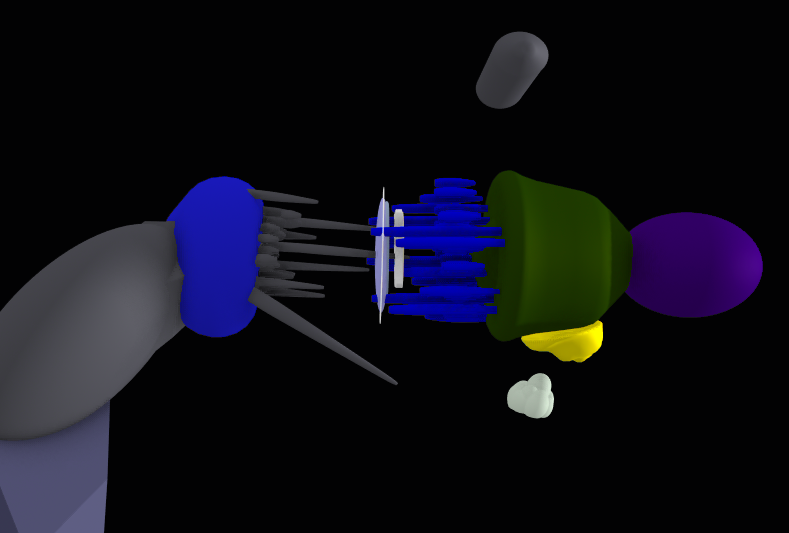
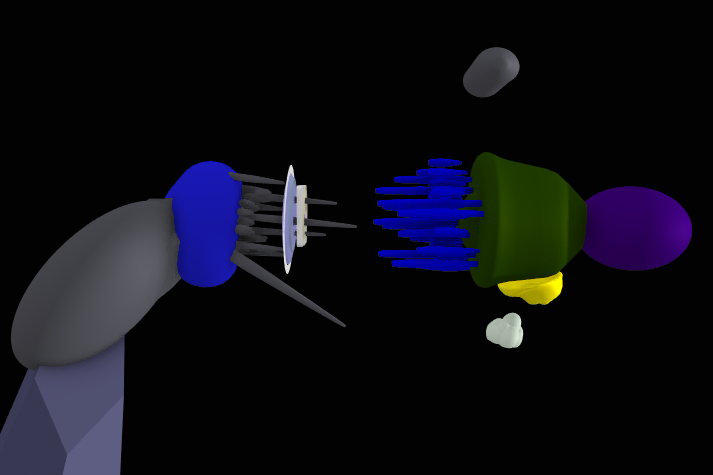
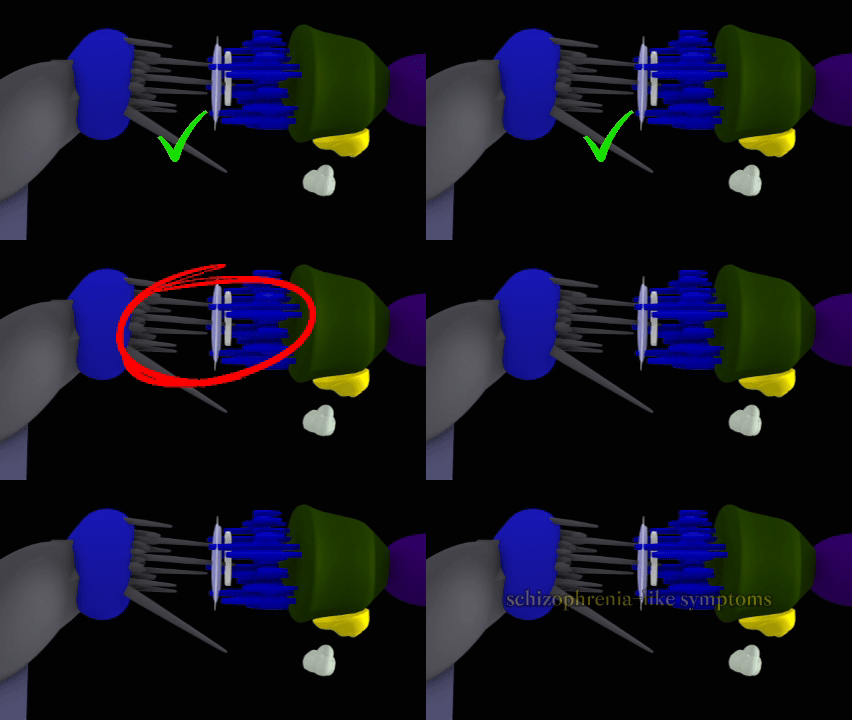
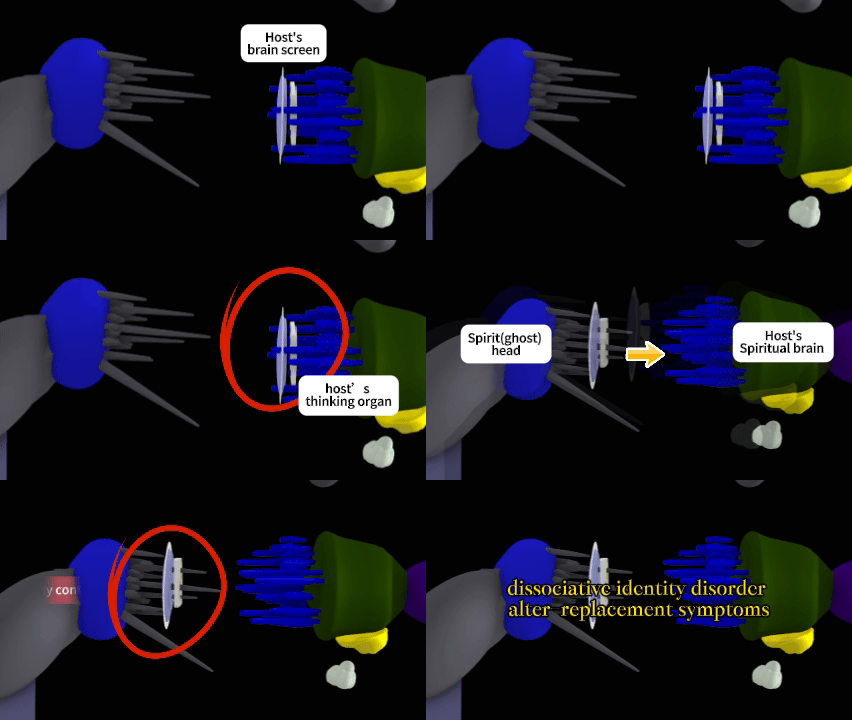
common pathological variables
Schizophrenia, DID, and other dissociative disorders are first controlled by two aggregate variables
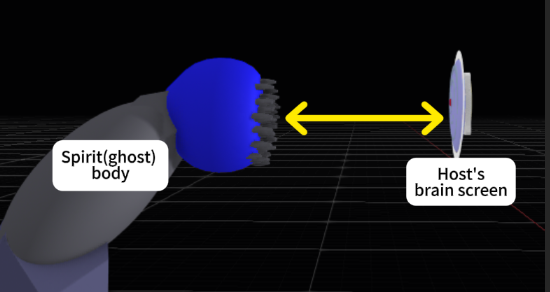
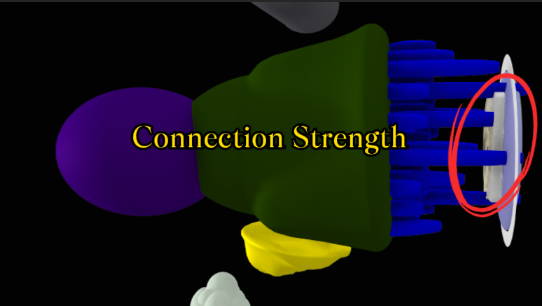
None of these variables are fixed. The same person can have both schizophrenia and DID, and can transition between the different states. The boundaries between disease names are often manifestations of changes in distance, connection, control, and duration.
Possessing spirit — spirit-brainHost
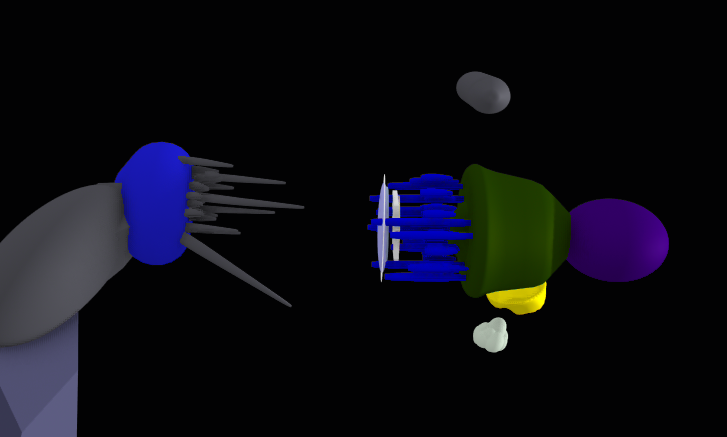
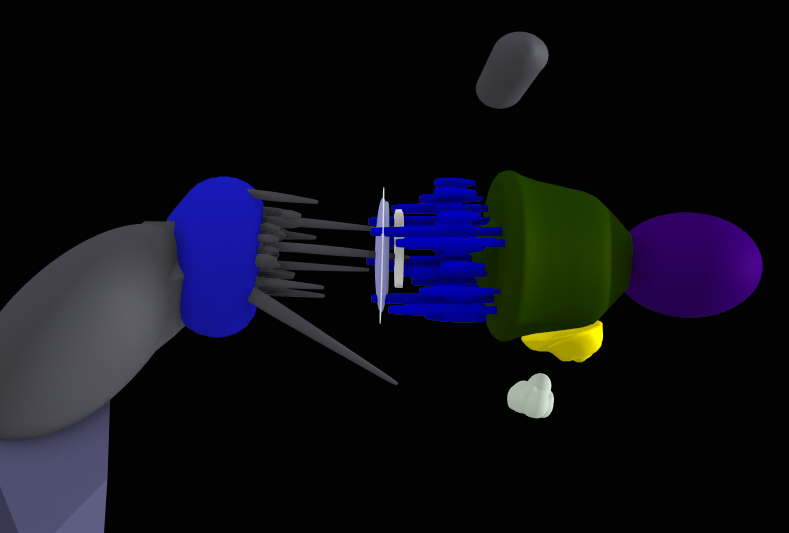
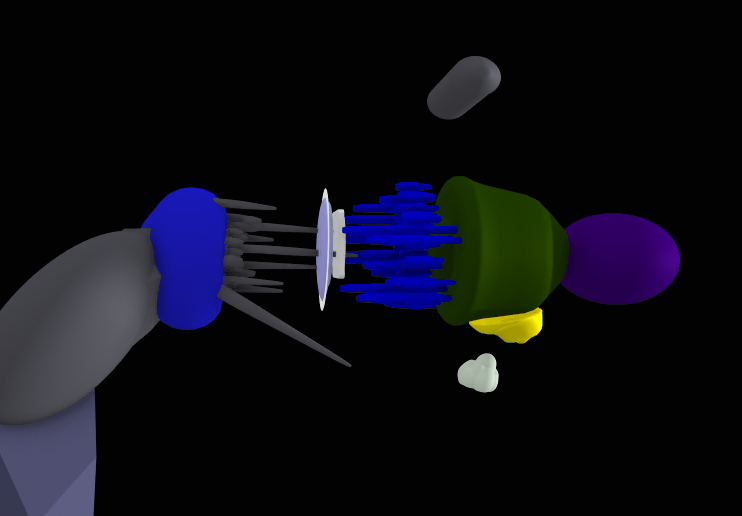
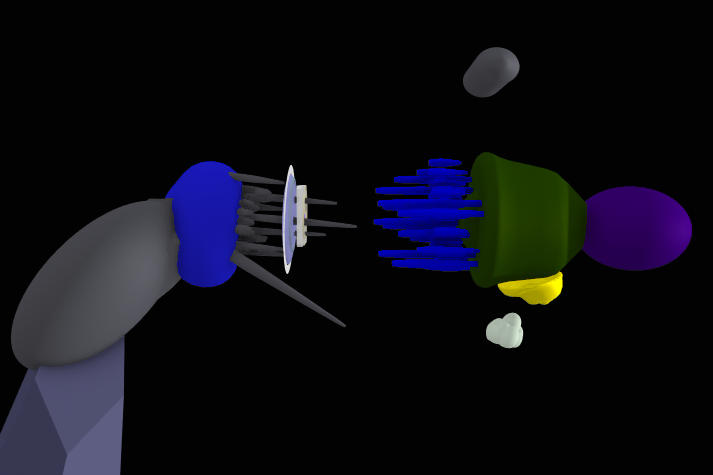
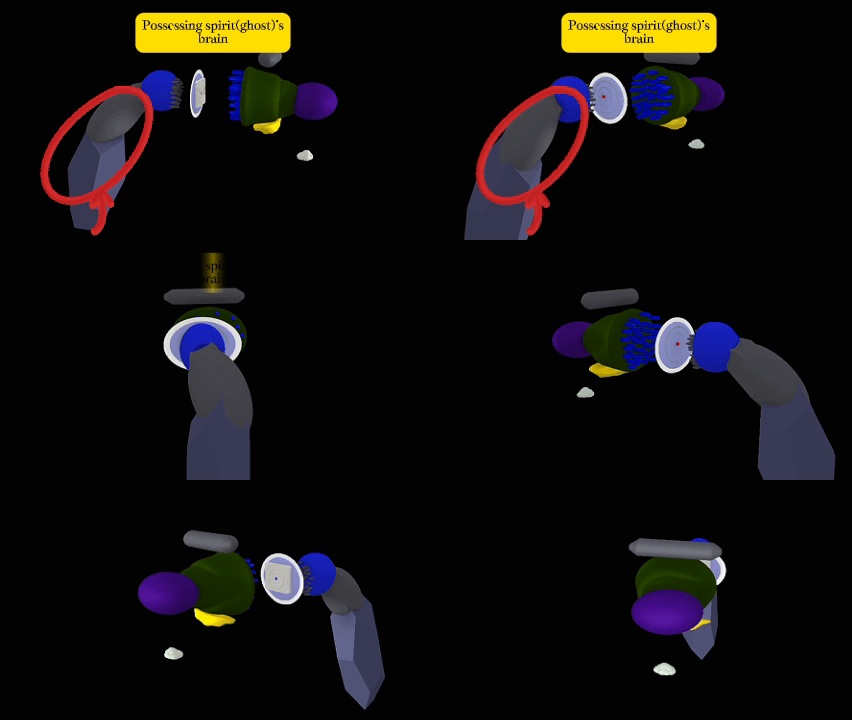
Organ location and disease transformation
The pathology of psychiatric disorders can be analyzed according to the interface of consciousness, organ location and control methods.
The head of the possessing spirit can stay in the heart area of the host only if the person is suffering from depression, anxiety or bipolar symptoms and has never experienced auditory or visual hallucinations.
In this position, it can obtain information from the outside world, but it cannot answer through the host language. The host can be unaware of the presence of the possessing spirit within the body.
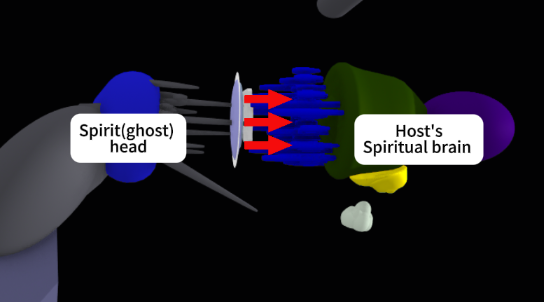
When the possessing spirit moves from the heart area to the head, close to the oval brain screen, and outputs a brief consciousness signal at the edge of the screen, the host can hear the corresponding language. This verbal signal can appear repeatedly, up to dozens of times.
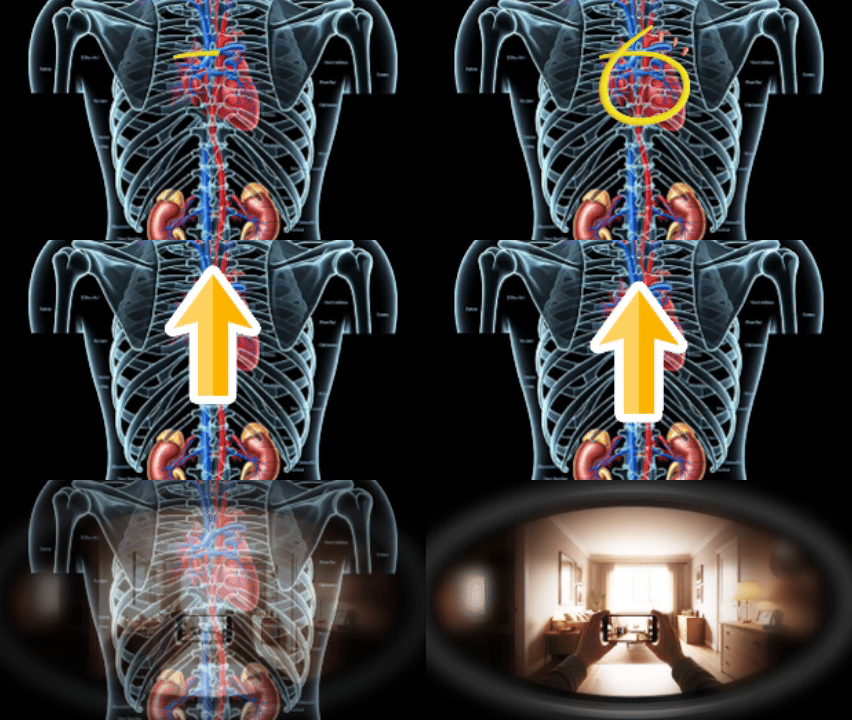
One structure moves with locus and control — not mutually exclusive drawers. The chain runs both ways.
- MoodDepression · anxiety · bipolarHead of possessing spirit stays at heart
- Quasi-schizophrenicVerbal auditory hallucinations within minutesMoves to head · brief edge signals on the brain screen
- Dissociative / DIDDissociative amnesia or DIDDistance and control change further
- Shared schizophreniaShared-consciousness schizophrenia againReverse change from DID
Heart-side mood load ↔ screen-edge quasi-schizophrenia ↔ dissociative control ↔ shared schizophrenia.
There can be two possessing spirits in the same host body that can perceive the 3D brain screen at the same time.
They can observe real-life vision through the brain screen; most first come into contact with the elliptical surface facing the face.
The way they contact the edge of the screen, the corrugated module, the square interface, the thinking organ or the movement module is different, and the pathological manifestations formed are also different.
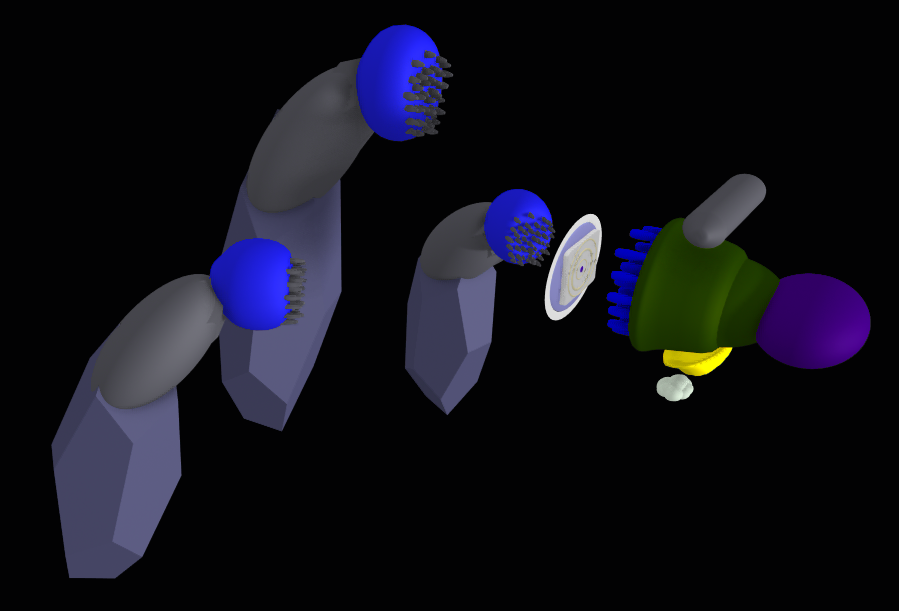
When the host opens its eyes, the possessing spirit can see external images on the brain screen; when the host closes its eyes, the images disappear, but the possessing spirit can still hear sounds and know the host's thoughts.
When the image disappears, the possessing spirit's continued output signal will be perceived by the host as weakening.
This change shows that the light involved in brain screen imaging may also be involved in the construction and encoding of consciousness.
Pathology interface and function module
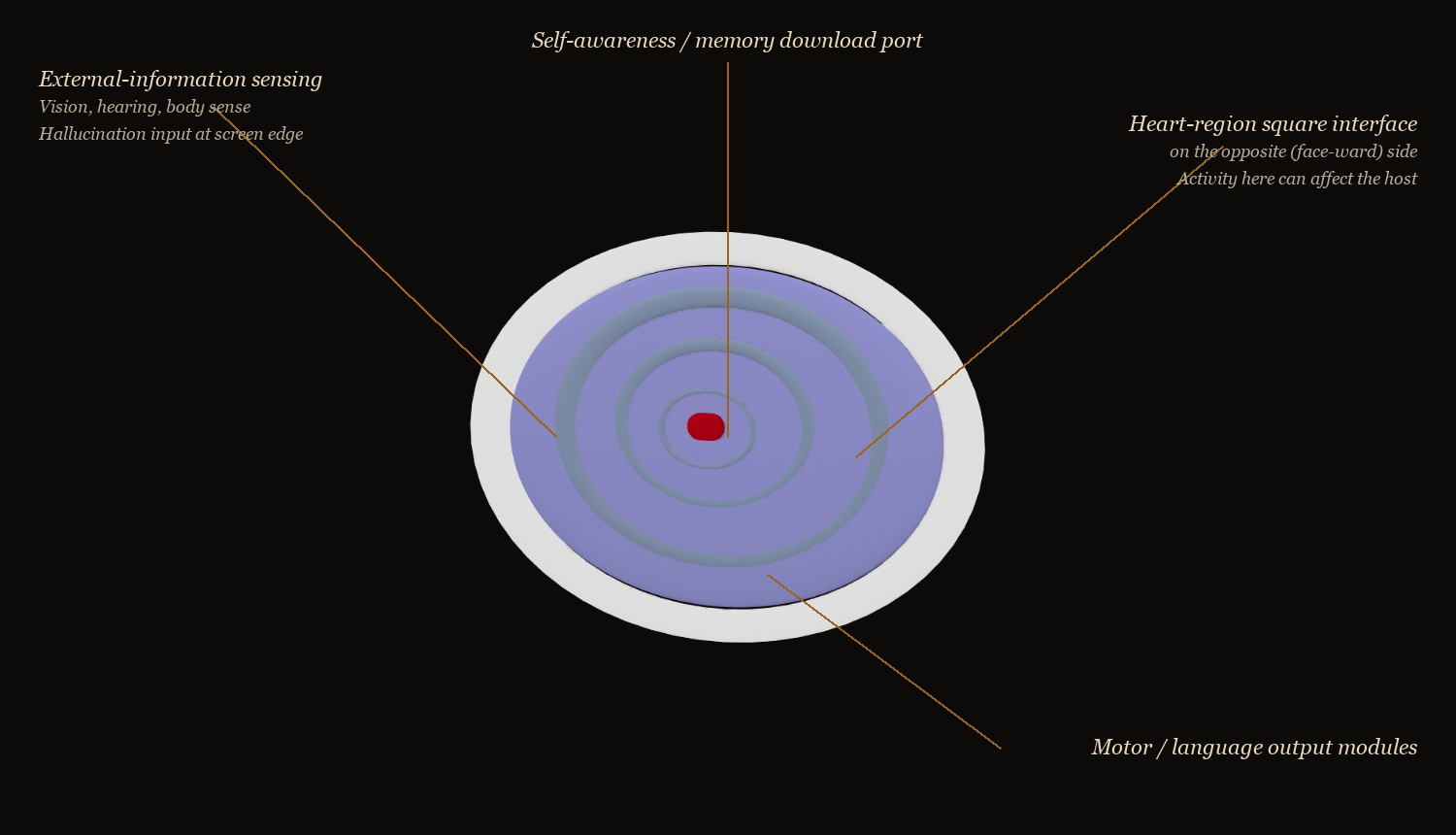
One side of the 3D brain screen has a small square interface that leads to the heart center of consciousness. When the possessing spirit moves near the interface, it can directly affect the host.
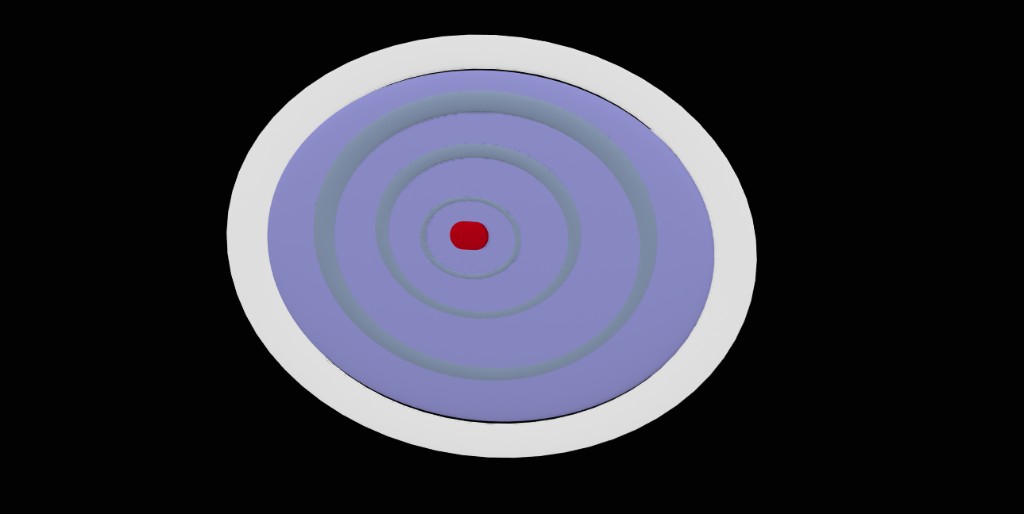
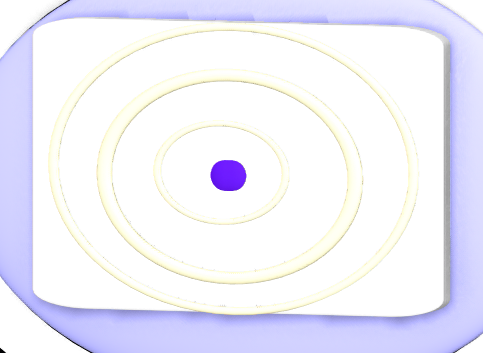
The external information perception module on the outside of the elliptical surface receives visual, auditory and physical sensations. The auditory, visual, and somatic hallucinations created by the possessing spirit can also enter the current consciousness from this location.
The long-term memory download port in the center of the screen connects to the remote long-term memory body. When this port is blocked, past memories cannot normally enter current consciousness.
The thinking organ is located behind the brain screen. The possessing spirit also has its own thinking organ. The distance between it and the host 3D brain screen determines the degree of sharing, interference or replacement.
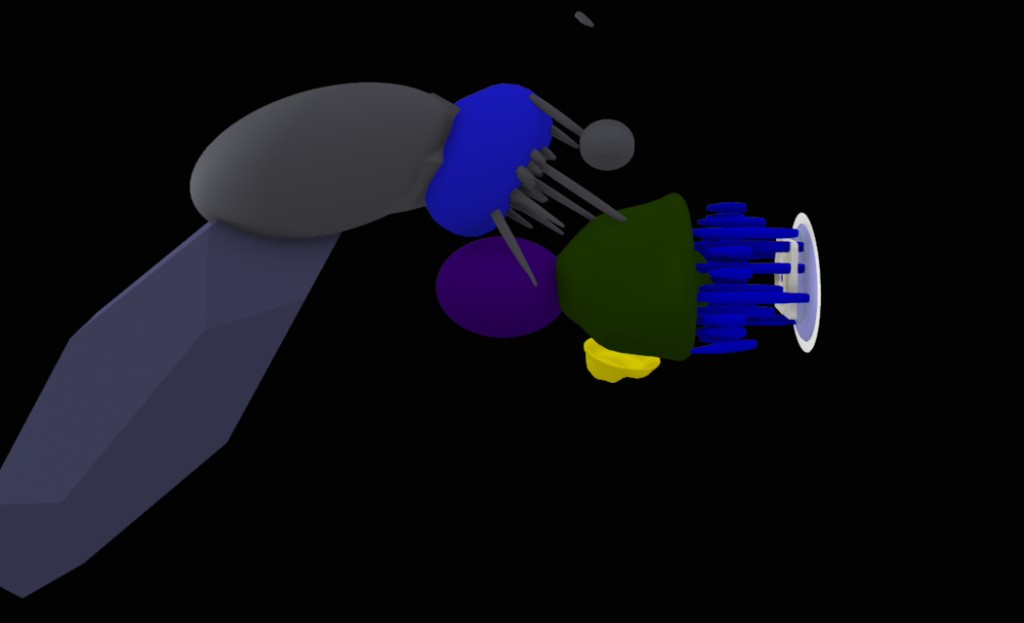
For the host thinking organ’s basic form and parts (generation, synthesis / reprocessing, check organ, and emotion-connection terminal), see the earlier introduction on Knowledge Base II · brain-locus spirit-brain physiology.
The sheet-shaped emotion connection terminal sends emotions from the heart and other locations in the body into the thinking organ. When the terminal is disturbed, many normal emotions cannot enter the thinking process smoothly.
DID: The host’s thinking organ is squeezed out of the brain screen
When the possessing spirit approaches from the front of the brain screen, or even enters the 3D brain screen, it will crowd out the host's thinking organ interface located behind the brain screen.
After the host's thinking organ loses connection with the 3D brain screen, the possessing spirit completely controls the brain screen and further controls the host's physical senses, behavior and current memory.
The host enters blackout and the Alter identity appears. (In this chapter, Alter names the clinical face of a possessing spirit that has taken the screen.)
Blackout in DID is often described as being locked in a dark room or the trunk of a car. The host’s own subject of consciousness still exists, but it loses external perception, body control and memory of that period.
Alter and the host cannot occupy the same set of current consciousness output at the same time.
Schizophrenia can involve multiple subjects of thinking consciousness at once, often with inserted or compulsive thoughts—more like one car with several drivers at the same time.
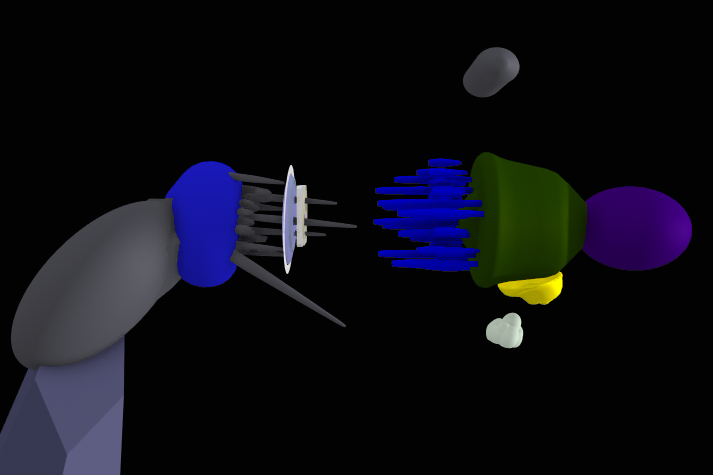
The two-way transformation of DID and shared consciousness
There can be three Alters in a DID structure, one of which can be a teenage Alter. Alters in children are not uncommon, accounting for about one-sixth of all alters. The host can communicate with it primarily through notes.
A child Alter may be judged by a doctor to be extremely harmful, or it may be deemed to have no desire to remain in the host's body; an act of self-harm may be entirely attributed to it.
When it occurs, the host can enter a full blackout just like any other personality switch, and the entire process can occur in about two minutes.
When Alter puts a certain distance away from the 3D brain screen, the host's consciousness quickly returns.
Possessing spirit — withdrawnHost — reconnected
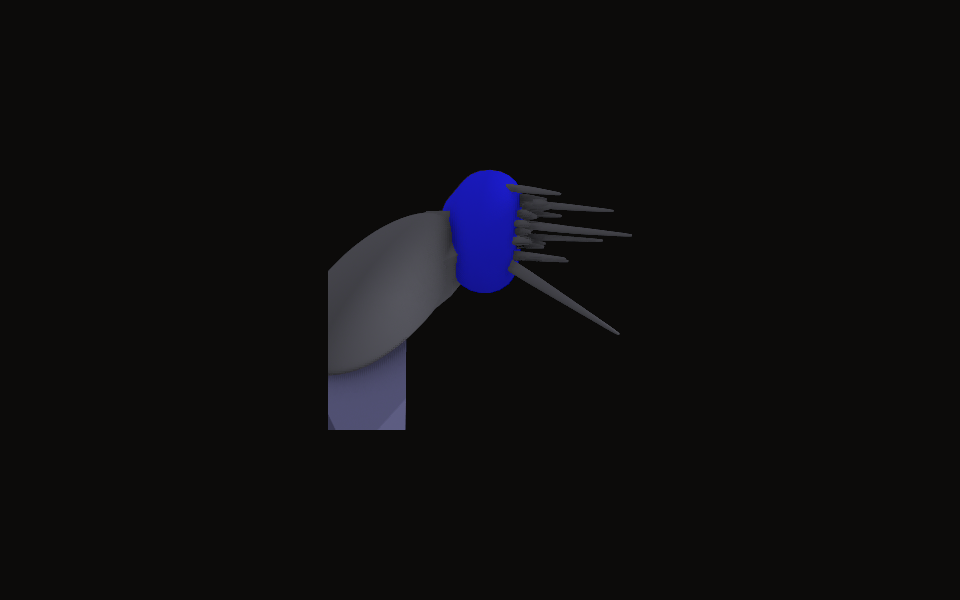
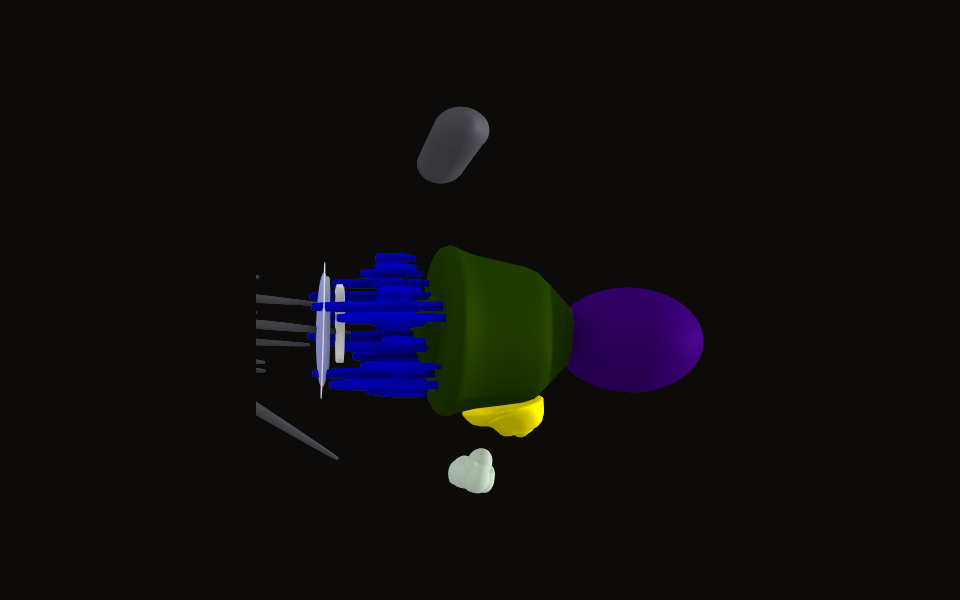
The host and the Alter can see the scene at the same time and maintain a certain degree of co-expression through the host.
DID-style identity replacement can thus transition into a schizophrenic-style multi-consciousness shared state within minutes.
Schizoaffective disorder and suspected DID can also co-occur. Its structure can contain four Alters, two in the head and two in the heart area; all four can be entered at the same time and last for about six years.
A stronger Alter can assume the role of gatekeeper and explain the purpose of entry to the host's family as protecting the host.
When the Gatekeeper Alter keeps distance from the brain screen, the host can retain awareness and need not enter a full blackout. In observed cases, such a transition may form on the order of about 30 minutes; the duration is not fixed.
The distance between Alter and the brain screen is the watershed between DID and shared states of consciousness.
ICD-11 Unified Pathology of Dissociative Disorders
The main dissociative disorder subtypes of ICD-11 6B60-6B66 can be unified into the structure of "functional module-connection strength-control-duration".
DID and possession disorder
After the possessing spirit completely occupies the host's brain screen, it may claim to be an ordinary person, a god, a demon or other mysterious identity.
The core mechanism of both phenomena is the same: an external subject of consciousness takes full control of the 3D brain screen. They differ only in how that subject describes its own identity.
What is commonly known as "exorcism" can also be put into this structure. Most of the related phenomena are not the demon itself entering the human body, but the ordinary possessing spirit claiming the identity of Lucifer or other demons.
Possessing spirits in DID tend to behave more kindly and may take a caretaker role, and are less likely to drive the host into malignant acts.
Such protection and care make it easier to read the Alter as a fragment of the host’s personality, without asking whether it is an independent subject of consciousness.
In the American sample, about 90% of ordinary possessing spirits cannot completely remember their four basic identity facts and only confirm that they are spirit beings.
Therefore, self-representations by external subjects of consciousness are not necessarily reliable and may contain exaggeration, misidentification, or deception.
Causes of disease should not be divided solely according to the self-proclaimed identities of external subjects of consciousness.
Dividing "self-proclaimed human beings" and "self-proclaimed gods or demons" into different diseases would mistakenly separate the same control mechanism.
Etiological classification also requires consideration of possible nonsense, misidentification, and deception by external subjects of consciousness.
In some religious trances, ordinary possessing spirits can call themselves gods, making the host believe that they are blessed by mysterious powers.
Strong drumbeats, music or rituals make the host actively enter a trance, the connection between the thinking organ and the brain screen weakens, and external subjects of consciousness take over the brain screen.
The host may then become the spokesperson for that external subject of consciousness and further become a shaman; the possessing spirit obtains vanity satisfaction in being revered.
This is part of the same construct as the controlled replacement of DID, and a separate cause should not be established based solely on the possessing spirit's self-professed identity.
dissociative trance disorder
There are individual differences in the strength of the connection between the host's thinking organ and the brain screen.
When the connection is weak, the possessing spirit can easily crowd out the host's thinking organ completely, resulting in possession trance or DID.
When the connection is strong, the host's thinking organ may only be partially squeezed out, and the connection is loose but not completely disconnected.
In ICD-11 6B62 dissociative trance disorder, the possessing spirit does not necessarily use the host's brain screen to express its identity.
The host still maintains weak interaction with the brain screen, but will experience a weakened personal identity, a reduced range of perception of the surrounding environment, and restricted behavior, posture, and speech.
Depersonalization-derealization disorder
In ICD-11 6B66 depersonalization-derealization disorder, the possessing spirit controls the host's brain screen, and the host still perceives the body as being controlled as a bystander.
This is the equivalent of an external subject of consciousness driving a car while the host sits in the back seat and watches.
dissociative amnesia
A port to the remote long-term memory body exists in the center of the 3D brain screen. When the possessing spirit blocks this port, past memories cannot be downloaded normally, and the host experiences simple amnesia, corresponding to ICD-11 6B61.
Dissociative amnesia also includes two types of mechanisms:
- During the Alter replacement period of DID, the host is not connected to the brain screen, resulting in amnesia roaming or forgetfulness during the identity switching period;
- In PTSD, the spiritual memory complex containing traumatic experiences and emotions changes in nature in the heart area and cannot be successfully uploaded to the remote long-term memory body.
Thus, forgetting can occur at different points in the brain-screen port, identity replacement, or heart-to-long-term memory transmission chain.
dissociative neurological disorder
The 3D brain screen includes functional modules such as movement, hearing, vision, body perception, and language output.
When a certain module is controlled or interfered with by a possessing spirit alone, different manifestations of ICD-11 6B60 dissociative neurological symptom disorder will occur.
Partial DID
Controlling the brain screen requires energy. The possessing spirit with weak physical strength can only take over the brain screen for a short time, forming ICD-11 6B65 partial dissociative identity disorder.
The possessing spirit becomes easily fatigued after gaining control of the brain screen. How long it can maintain control directly affects the duration of identity switching and the completeness of symptoms.
Gatekeeper and multiple personalities
There are often multiple Alters in DID, with different powers. Those who enter earlier or are more powerful often become gatekeepers.
Gatekeeper controls whether other Alters can connect to the host brain screen. Each Alter has limited energy, so it will be connected to the brain screen in turns under the arrangement of the gatekeeper, showing the rotation of multiple personalities.
Some religious trances require the active cooperation of the host, also because the external subject of consciousness lacks strength and cannot independently obtain complete control.
Schizophrenia: Sharing the brain screen and interfering with the thinking organ
In schizophrenia, the host's thinking organ still controls the brain screen, while the possessing spirit shares and interferes with the brain screen, and further interferes with the process of consciousness generation, information synthesis, reprocessing, and verification.
DSM-5 summarizes the core manifestations of schizophrenia as:
- Delusions;
- Hallucinations;
- Disorganized speech;
- Grossly disorganized or catatonic behavior;
- Negative symptoms.
Core symptoms of ICD-11 include:
These manifestations can be located in the brain screen, thinking organ, heart emotional system, body movement module and whole body psychic system respectively.
Delusions
The core of delusion is not “what is seen or heard,” but that the host takes foreign thoughts, judgments, or identity narratives as its own beliefs.
After a possessing spirit implants content through the brain screen or thinking organ, the host does not know the source and forms persistent, hard-to-correct false beliefs.
Auditory hallucination may serve as an input channel, but delusion itself is a lesion at the level of belief.
Persecutory delusions
Many possessing spirits carry a universal, subconscious protective mission given by the Creator and Christ.
They are afraid that people or things around them will harm the host, so they constantly implant unnecessary vigilance and defensive thoughts.
After the host regards these foreign thoughts as its own judgment, it gradually develops delusions of persecution.
The basic principle is: the host is continuously deceived by external subjects of consciousness without knowing the source of the information.
Religious delusions and grandiose delusions
Some possessing spirits will continue their previous beliefs and tell the host that they have a special religious identity or mission. After the host believes it, it will form religious delusions or grandiose delusions.
The possessing spirit can claim that the host is a Buddhist messenger and wants to use new ideas and new methods to promote Buddhism; after further identification, such claims can be denied.
Possessing spirits may also claim to be aliens, gods, or other paranormal identities. Part of the content of delusions comes from the deception of an external subject of consciousness, rather than a neurotransmitter disorder causing the host brain to create false beliefs for no apparent reason.
Hallucinations
Auditory hallucinations can be divided into four categories:
- Accented auditory verbal hallucination: input at the auditory cortex;
- Non-accented auditory verbal hallucination: input around the 3D brain screen;
- Soundless awareness of meaning: input at the information synthesis and reprocessing center;
- Noise-like tinnitus, resembling mosquito or metallic sounds: onset in the ear.
The fourth category is the signal of uncontrolled release of possessing spirit after physical injury, which does not necessarily come from subjective malice.
Visual and somatic hallucinations are similar to the second type of auditory verbal hallucination; their input and control sites are also around the 3D brain screen.
Possessing spirits may also cause somatization and immune abnormalities. Most physical ailments are not intentionally caused by them, and they are not even aware that the ailments are related to their existence.
In contrast, verbal, delusional, and thought disturbances were more likely to involve proactive behavior.
Thought acquisition, thought disorder, thought insertion, thought withdrawal, and forced thinking
Thought control and disruption in schizophrenia can be grouped into five categories
Thought acquisition
Thought broadcasting and thought withdrawal fall into this category. The possessing spirit obtains the host's current thoughts through the host's 3D brain screen and thinking organ interface, making the host feel that its thoughts are known to the outside world and that it has no secrets.
Thought blocking
Thought blocking includes thought inhibition, thought retention, disturbance of associations, and viscous thinking.
Two mechanisms exist:
possessing spirit robs the energy of the thinking organ and makes the spirit-brain slow down
The possessing spirit's thinking organ overlaps with the host's thinking organ, and discharges waste electrons, interfering with the operation of the host's spirit-brain.
The latter process manifests as brain fog and can be accompanied by learning and cognitive decline.
Loosening of associations
The consciousness of the possessing spirit and the host consciousness enter the information synthesis and reprocessing center at the same time. Two sets of different contents cannot be merged and interfere with each other, resulting in loosening of associations.
Thought disintegration, derailment, and tangentiality
The possessing spirit interferes with the center of consciousness generation, preventing an idea from being continuously generated, resulting in thought disintegration, derailment, or tangentiality.
Disorganized speech
Incoherent speech, poverty of speech, and circumstantiality are similar in mechanism to thought disintegration, but mainly involve the language secondary synthesis functional module in the information synthesis and reprocessing center.
Thought echo, symbolic thinking, and bizarre ideation
The interference sites for this type of performance are mostly around the 3D brain screen. Some possessing spirits actively create repetitive or symbolic content due to loneliness or boredom.
Thought insertion
Thought insertion includes presentations such as flight of ideas and neologisms. The mechanism is that foreign thoughts enter the host’s consciousness-generation or information-synthesis system.
Thought withdrawal
The possessing spirit with strong ability can enter the information synthesis and reprocessing center and delete the thoughts transmitted from the consciousness generation center.
The experience is: a thought is just generated and then forcibly eliminated, and the host can feel the elimination process.
Most possessing spirits are difficult to remove accurately. The 3D brain screen has light and is easier to locate; the thinking organ is dim and blurry, making it difficult to find it accurately.
Forced thinking
Forced thinking can occur in the consciousness generation center or in the information synthesis and reprocessing center.
The external subject of consciousness forcibly injects initial thoughts into it, compelling the host to keep thinking. The quality of the compulsion differs slightly between the two sites.
Some forms of obsessive-compulsive disorder may also be included in this structure. Obsessive thoughts or compulsive behaviors are medically defined as recurring, unnecessary, and intrusive. If the content is of an external nature, the coercing subject of consciousness needs to be identified.
The coercing subject of consciousness is hidden in the existing definition, resulting in a disease that only describes the result but not the acting agent. Without confirmation of the existence of possessing spirits, these disease classifications lose their etiological significance.
Thought persecution
Thought persecution differs from persecutory delusions. Persecutory delusions may arise from over-protection; in thought persecution, the possessing spirit expressly delivers malicious, persecutory content to the host.
Disorganized behavior
Disorganized behavior involves more factors than thought disorder. It may come from direct control of the motor module of the brain screen, or it may come from auditory hallucinations, delusions, energy changes, perception errors of possessing spirits, or high-density areas of the body.
Intermittent grossly disorganized behavior
In schizophrenia, behaviors such as suddenly kneeling in front of the police station or brandishing a knife at the family dinner table may occur.
The possessing spirit may also mistake the knife in the host's hand for a fork, which is intended to be used for eating.
This shows that even if an external subject of consciousness obtains control of the brain screen, it may still see real objects wrongly and behave wrongly.
Some of this grossly disorganized behavior can be considered a malignant form of DID: the possessing spirit temporarily gains control of the mind screen and behavior, but its perceptions, judgments, or intentions may harm the host.
It requires energy for the possessing spirit to approach and operate the brain screen.
The energy it obtains from its host is limited, and it can only intermittently take over the brain screen after accumulating enough strength.
Therefore, the intermittent replenishment of body energy of the possessing spirit is the direct principle behind the intermittent attacks of psychiatric disorders.
Auditory hallucinations and delusional commands
Possessing spirits may not directly control the body, but command the host to act through auditory hallucinations or delusions. The host usually retains awareness and memory at this time.
The difference between it and compulsive experience is that the host can feel a clear commanding subject of consciousness.
Self-injury, itching and localized hyperdensity
Some wrist slitting, scratching, and local self-injury are related to high-density agglomeration of bodies of possessing spirits in the upper limbs or skin.
High-density areas may be accompanied by rashes, itching, and allergic reactions. Bleeding or intense slapping can sometimes cause parts of the dense body to leave the host, so someone who scratches or injures themselves feels not pain but brief relief.
A traditional therapy involves vigorous tapping of the skin with an instrument. A feeling of relief may still occur when the skin is already red and swollen, and the mechanism is similar to the process described above, but this does not mean that tapping, bleeding, or self-injury is recommended.
Bathing refusal / neglect of hygiene
Some patients are reluctant to bathe or neglect personal hygiene. One mechanism is that some possessing spirits are sensitive to shower water, which causes them a small amount of damage and therefore prevents the host from bathing.
Pica
Pica behavior can have a variety of causes. One is that the possessing spirit actively plays tricks on the host; the other is that its metabolism requires special substances. For example, the smell of feces may help the possessing spirit expel metabolic waste products.
There are many more types of disorganized behavior than just the ones listed above. Listed here are several mechanisms that correspond to brain screen control, perception errors, energy changes, and spiritual body metabolism.
Psychomotor disturbance
Psychomotor disturbance has multiple mechanisms.
When the possessing spirit connects to the body movement control module in the brain screen, but is not familiar with physical control, it may produce catatonic stupor, bizarre postures, or stereotypies.
Certain extremely contorted postures may energize the possessing spirit like yoga postures, thus causing the host to maintain a specific posture for an extended period of time.
Psychomotor retardation may also result from insufficient brain screen energy. After the possessing spirit absorbs the energy, the host cannot stably control the motor nerves.
If the possessing spirit's own thinking is defective or abnormal, after it obtains behavioral and movement control, the host's external performance will also be abnormal.
Negative symptoms
When the possessing spirit is not powerful enough, it needs to continue to draw and accumulate spiritual energy from the host. As a result, the host suffers from a general lack of spiritual energy, manifested by physical weakness.
This influence may also extend to the expression of evolved psychology in the DNA of cells throughout the body.
The fertilized egg contains complete physical and spiritual genetic information. The evolved psyche is expressed in the DNA of cells throughout the body and then converges into the spirit heart region.
When the whole body's psychic system is affected, negative symptoms such as flat affect, avolition, and poverty of speech appear.
Therefore, the different manifestations of schizophrenia are also related to the power, energy and energy storage state of the possessing spirit.
Factors that increase pathological complexity
The previous explanation is mainly based on a possessing spirit with normal thinking. There are three factors that are difficult to quantify in actual pathology:
- About a quarter of patients with psychiatric disorders have multiple possessing spirits;
- Some possessing spirits are themselves possessed by dual possession spirits for a second time;
- Possessing spirits between different hosts may influence each other through Remote Port Organs (RPO).
These three factors further increase symptom confusion and individual variability.
A spirit life-form has no skin and no clear physical boundaries like the physical body.
When the boundaries between human spirits and possessing spirits are unclear, auditory hallucinations, thought interference, and body control may occur. Memory fusion, identity fusion, and body merging may also occur.
This latter group of phenomena is not yet fully covered by existing classifications of psychiatric disorders, but may help understand the broader structure of conscious life.
Schizophrenia spectrum
Of all psychiatric disorders, the pathology of the schizophrenia spectrum is the most complex. It involves not only sharing, control, and chaos at the level of consciousness, but also a whole set of spirit pathologies.
Schizophreniform disorder
Schizophreniform disorder here corresponds to a weaker possessing spirit, not yet enough to form long-term, severe schizophrenia.
Schizoaffective disorder
Schizoaffective disorder is often associated with multiple possessing spirits and different locations of residence.
There can be four possessing spirits within the same person. Two are located in the heart area, forming emotional disturbances; the other is located in the head, forming thought insertions.
Distinct subjects of consciousness affect the emotional system and thinking system respectively, which ultimately manifests as the coexistence of schizophrenia and mood disorders.
Correspondence between spirit-brain organs and pathological manifestations
The 3D brain screen can only explain the current conscious input, output and control.
The complete pathology of psychiatric disorders also requires the thinking organ to explain how thoughts are generated, synthesized, and verified; the emotional connection terminal and the heart system are needed to explain how emotions enter the mind; the long-term memory chain is needed to explain uploading and downloading obstacles; the whole-body evolutionary psychological system is needed to explain some negative symptoms; and the energy, metabolism, repair, and multiple possessing spirits of the spirit body are needed to explain the intensity, duration, and individual differences of attacks.
The complete correspondence relationship can be summarized as: